


Cosmox Meg-Jet Dual Print Table 45*55cm DTG Printer | Direct-to-Garment Printing System
Photorealistic direct-to-garment printer producing ultra-soft prints on cotton apparel. Ideal for print-on-demand and premium custom merchandise. Suitable for cotton, cotton blends textiles.
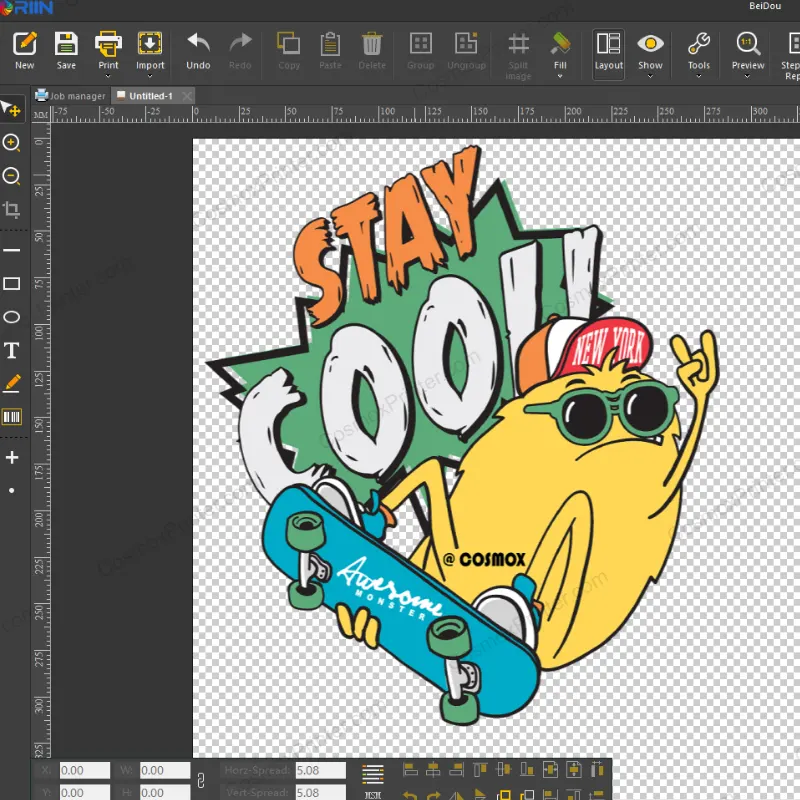
Create artwork in Cosmox RIP software
Use spray gun or pretreat machine to pretreat shirts
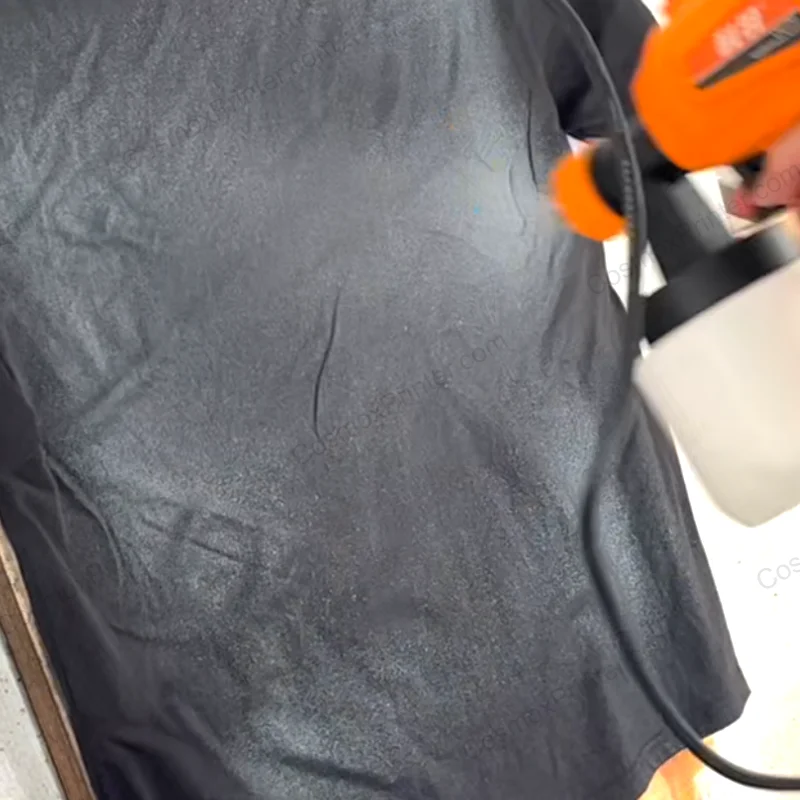
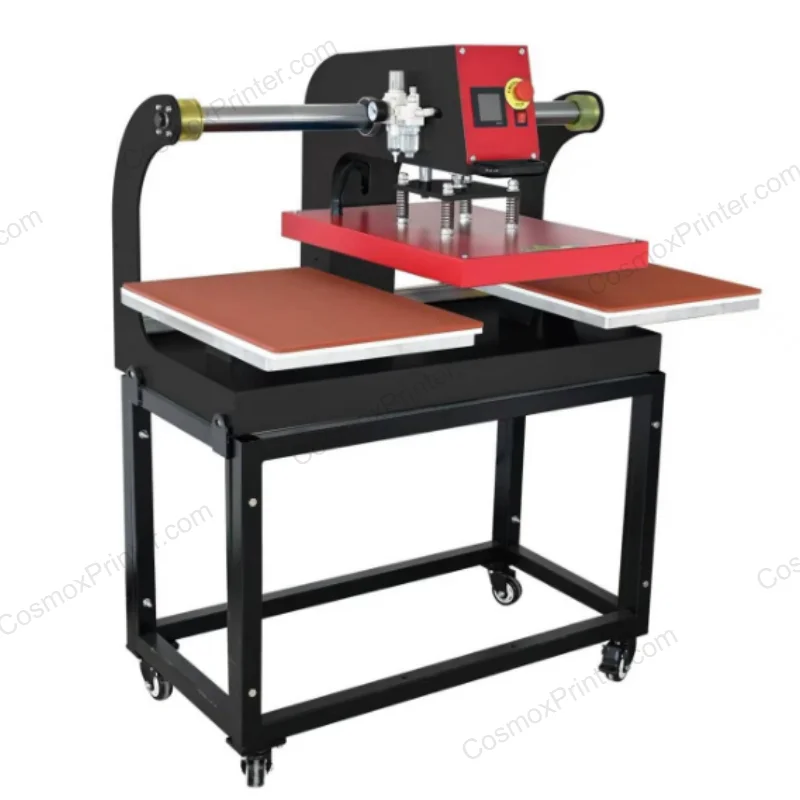
Use heating press machine to dry the pretreatment liquid
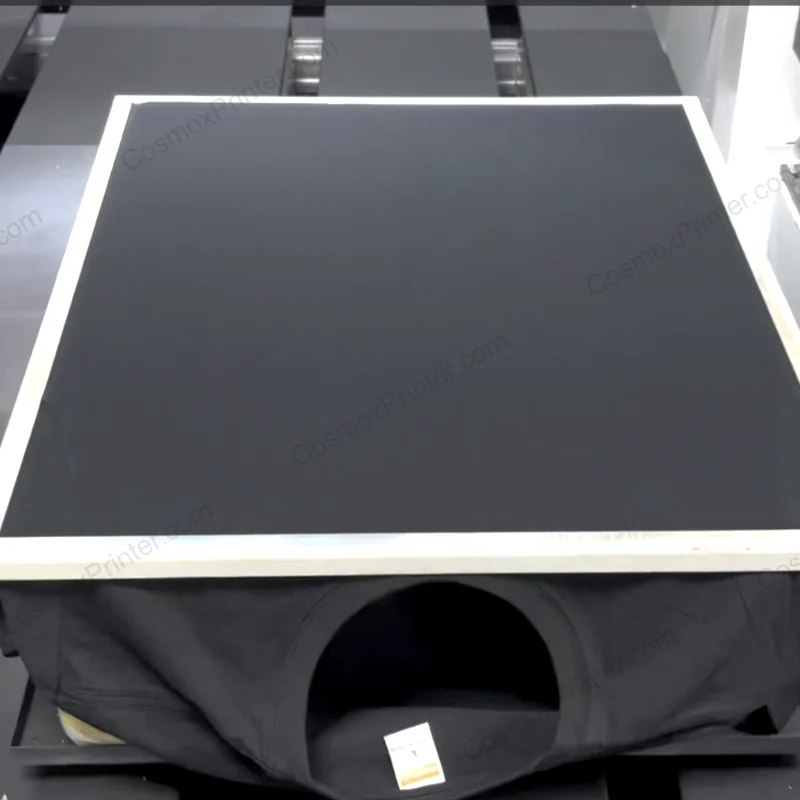
Put the shirts on printer printing table, adjust its position
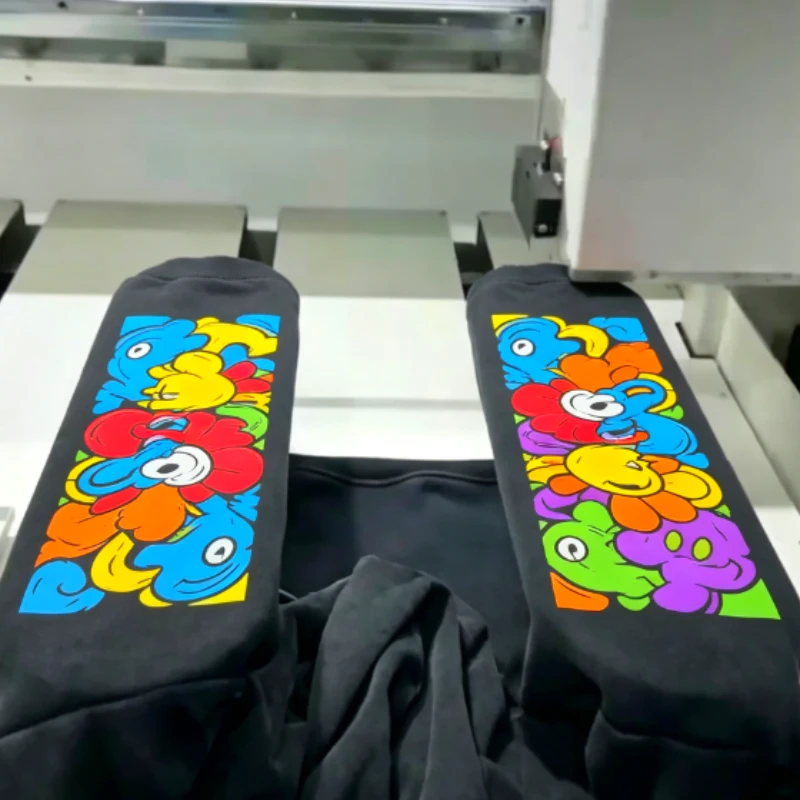
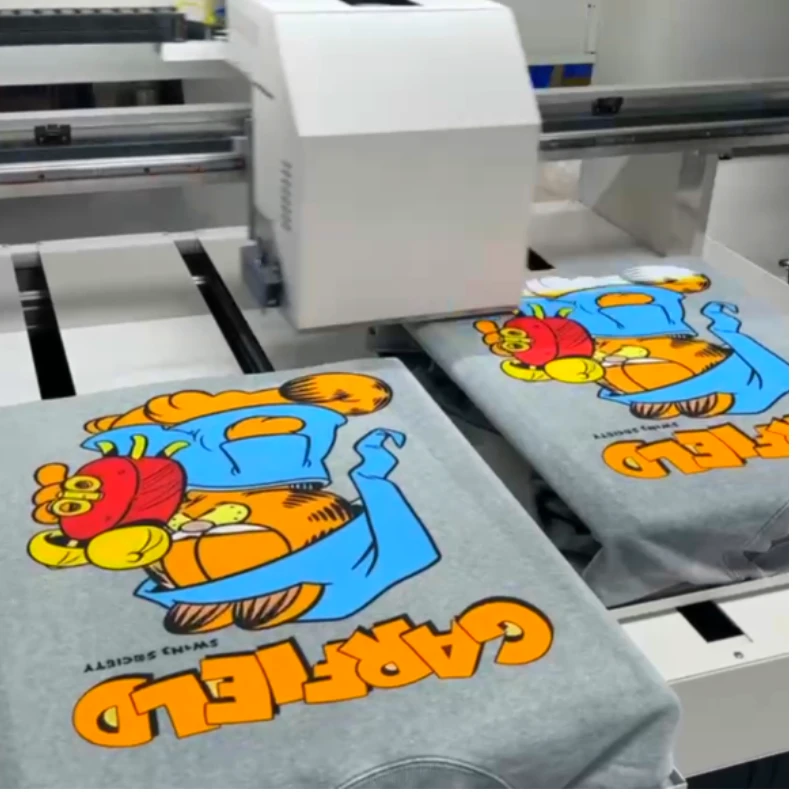
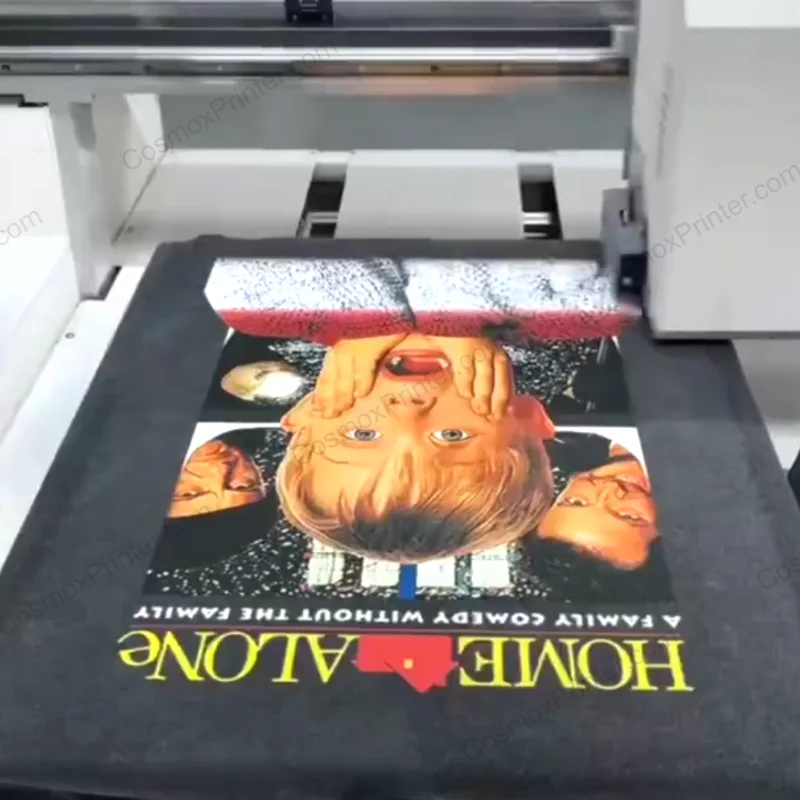
CMYKRGBO+White is printed directly onto fabric in one pass
Use heating press or heating tunnel dry ink at 160°C for 90-120 seconds to fix colors.
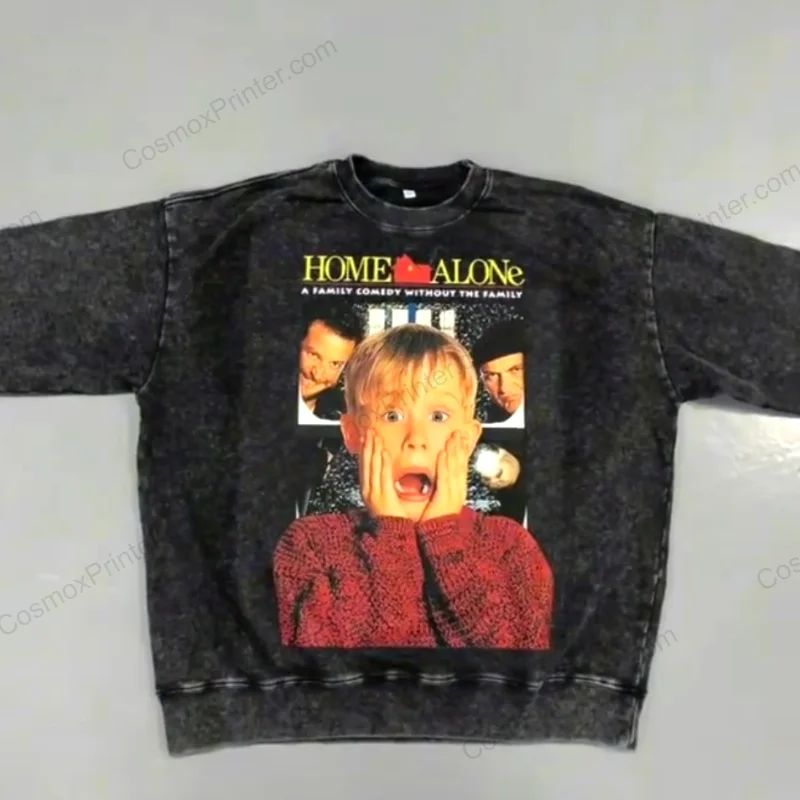
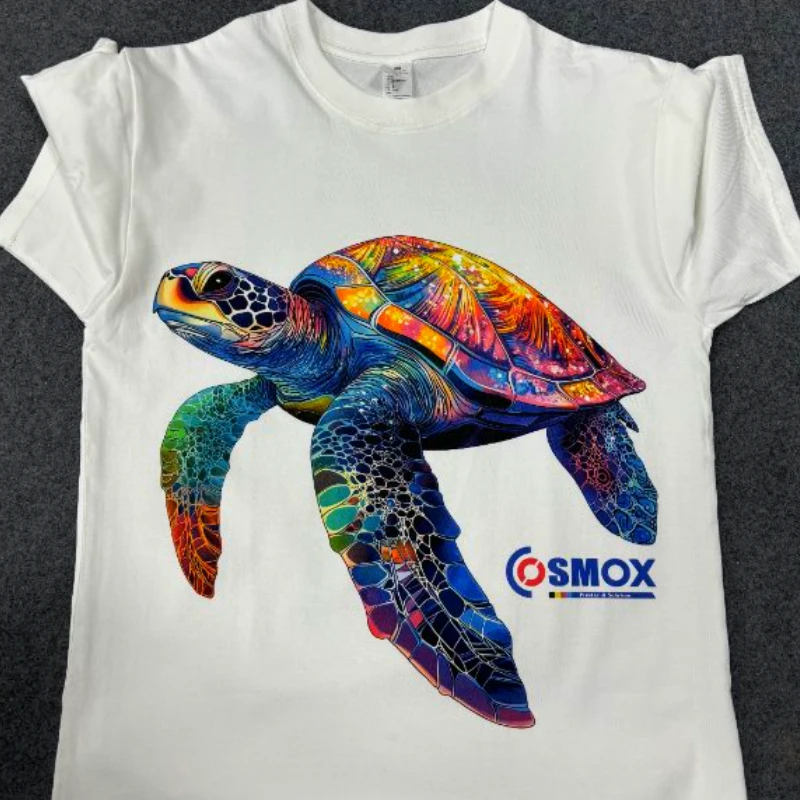
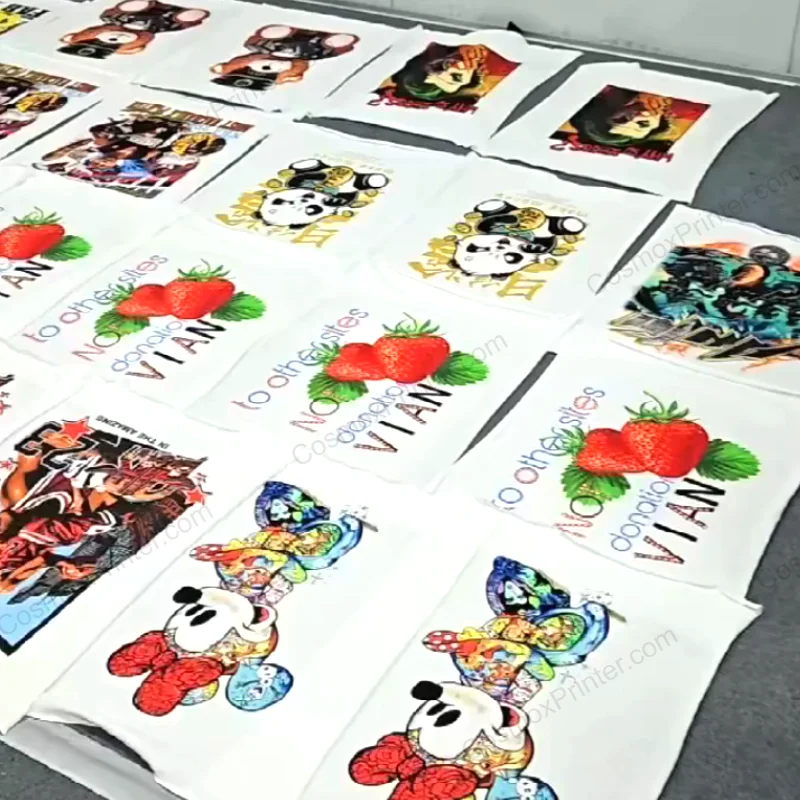
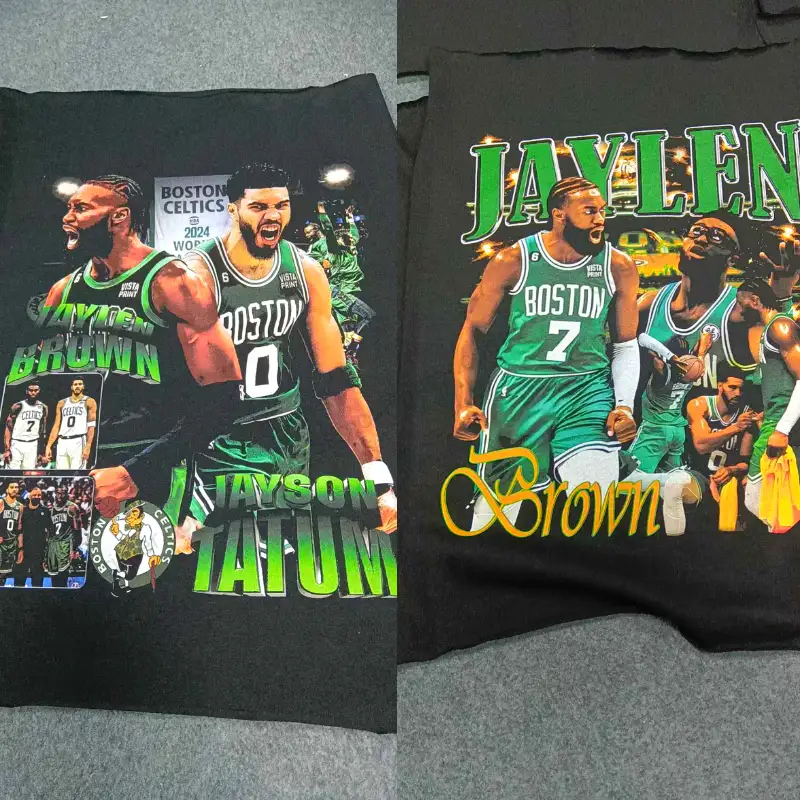
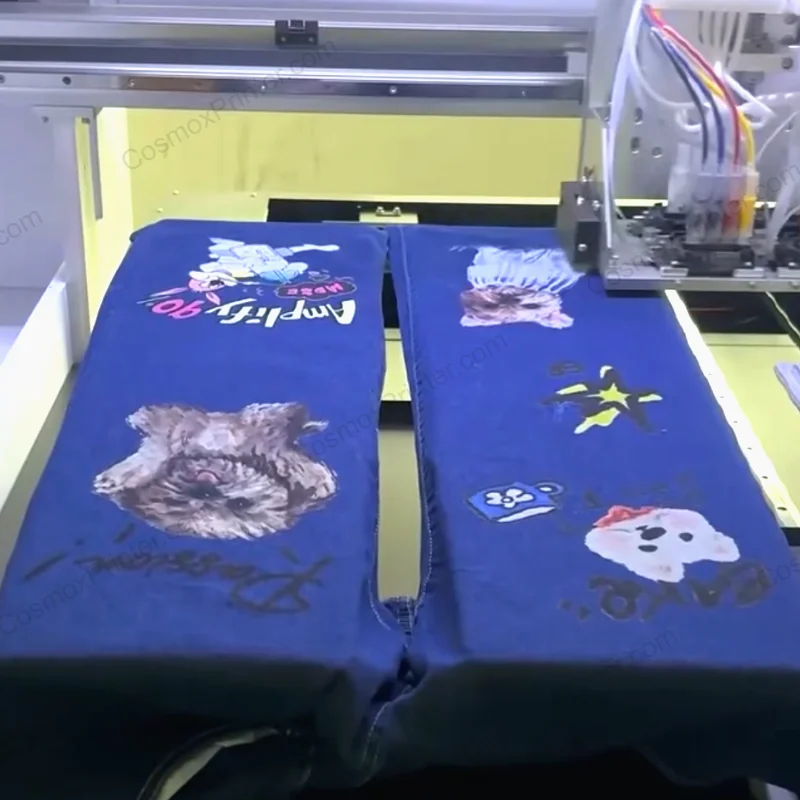
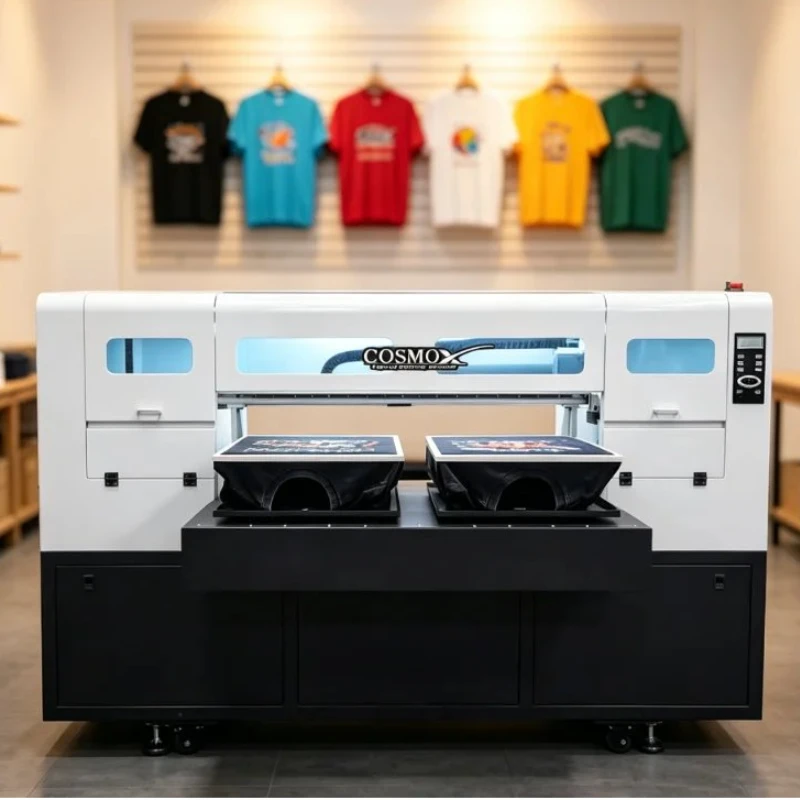
Meg-Jet D uses 4pcs Epson I3200-A1 or I1600-A1, print CMYK RGBO and White ink. This guarantees the nice vivid color output on our shirts.
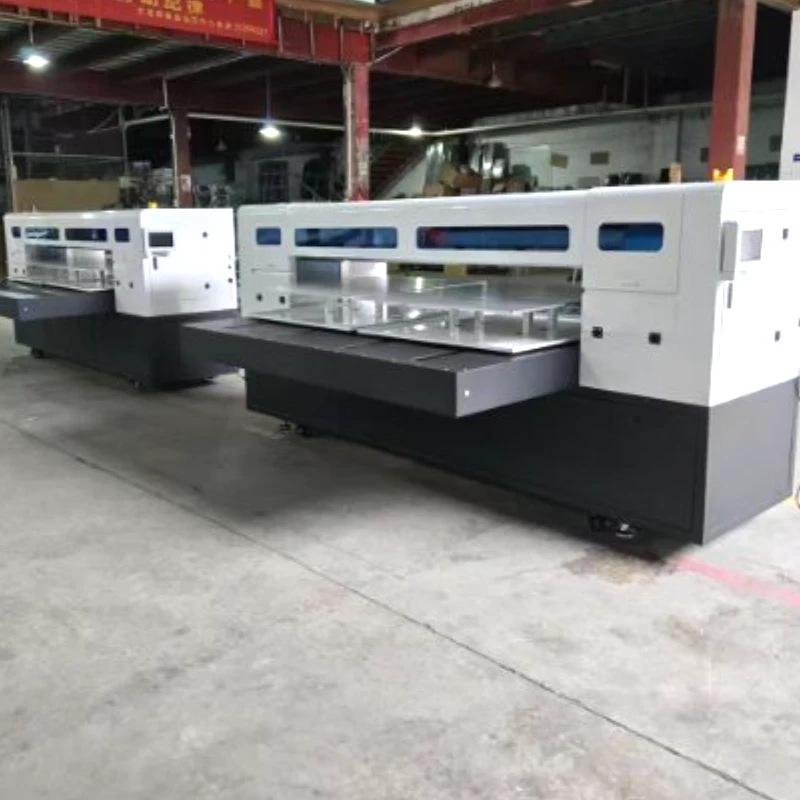
Flexible printing table size customize, default with 45x55cm, also can do 50x60cm/60x80cm/70x90cm/85x95cm etc. 2 tables, 4 tables configuration.
Printer with a printing height up to 3cm. Auto rises and lowers by one click in the software. This can assure we can print thick and thin textiles.
A full A3 size image prints on a white shirt, the printing speed is less than 1min (40-50 seconds). A black shirt takes 1.5mins. Easy for high volume printing needs.
| Basic Parameters | Parameter | Remark |
|---|---|---|
| Printer Model | Multi-Table DTG Dual Working Station | |
| Print Technology | DTG Printer | (Direct to Garment) |
| Print Head | 4pcs Epson I-3200A / I1600-A1 | Can do customize |
| Print Speed | 30-60s/ A3 image shirt | Depend on resolution/size |
| Print Size | 45cm (Width) x 55cm (Length) | Can customize(60x80cm /70x90cm) |
| Ink Type | Cosmox DTG Garment Ink | |
| Ink Color | CMYK+RGBO+W | For Best Colors Output |
| Ink System | White ink stirring system, Circulation,Auto Clean | |
| Mainboard | Hosonsoft | Can do customize |
| Working Station | 2-Stations | Can customize 4 printing tables |
| Application | Textile, Cotton, Cotton blends | |
| Printer Software | RIIN / Maintop / Cadlink /Print Factory | |
| Picture Format | PNG, JPG, TIF, PDF, PSD | |
| Drying Method | Heating Press / Drying Oven / Tunnel Baking Oven | |
| Computer Requirement | Windows 11/ 10/ 8 etc. | |
| Power Supply | 110V / 220V, 50-60HZ | |
| Rated Power | 500W | |
| Printer Connection | TCP/IP | Gigabit Ethernet port |
| Certification | CE / RoHS | |
| Machine Dimensions | 216*153*146CM | |
| Machine Weight | 350 kg | |
| Package Dimensions | 228*160*157CM | Without ink |
| Package Weight | 430KG | Without ink |
| Feature | DTG (Meg-Jet D) | DTF | Screen Printing | Sublimation |
|---|---|---|---|---|
| Works on Cotton | Yes (excellent) | Yes | Yes | No |
| Works on Polyester | No | Yes | Limited | Yes |
| Works on Dark Fabrics | Yes (with pretreatment) | Yes | Yes | No |
| Soft Hand Feel | Excellent | Normal | Normal | Excellent |
| Pretreatment Required | Yes (dark only) | No | No | No |
| Equipment Cost | $6,500-12,500 | $1,200-5,000 | $500-5,000 | $1,000-8,000 |
| Minimum Order | 1 piece | 1 piece | 10+ pieces | 1 piece |
| Fabric Versatility | Cotton and Cotton Blends | Most fabrics | Most fabrics | Polyester only |
| Breathable Prints | Yes | No | No | Yes |
DTG works best on 100% cotton and high-cotton blends (over 70% cotton). It does NOT work on 100% polyester or nylon. For polyester, consider sublimation; for mixed fabrics, DTF is a better choice.
White DTG ink needs a bonding layer to sit on top of dark fabric. Pretreatment solution creates this layer, preventing white ink from soaking into the fabric and losing opacity. Light garment pretreatment is not necessary because no white ink is used. But you can still pretreat white shirts and print small amount white ink on white shirt too. The color pop out more.
DTG offers a distinctly soft hand feel in digital garment printing. The ink becomes part of the fabric rather than sitting on top. There is no film, no tpu powder, no plastisol layer — you can't feel the print at all after washing. This is DTG's distinguishing feature for premium cotton brands. And this is where the DTG shirts feel more comfortable than DTF and screen printing.
Light garments print faster, to say an A3 size full color image printing (40-60 sec), dark garments slower (60-120 sec due to white underbase). Two printing stations can let you continue printing. Changing shirts on the printer doesn't require pausing.
If you print mainly cotton and care about the softest possible feel, wearing comfortable breathable result, choose DTG. If you need fabric versatility (polyester, denim, blends) and don't want pretreatment hassles, choose DTF. Many print shops run both — DTG for premium cotton, DTF for everything else.
If you need to print high volume cotton (or cotton blends) textile, whether it is Shirts, Jeans, Sleeves, Pants, Underwear, Socks, Hoodies. Meg-Jet D is a very good choice. If you want to print more, we can also provide 4-tables options. Meg-Jet D is suitable for those who already have a mature t-shirt business or want to expand their business. Not for beginners.
Over 80 wash cycles with proper curing. Cure at 160°C for 90-120 seconds. The ink bonds chemically with cotton fibers, making it very durable. Wash inside-out in cold water, air dry or low-heat tumble for best longevity.
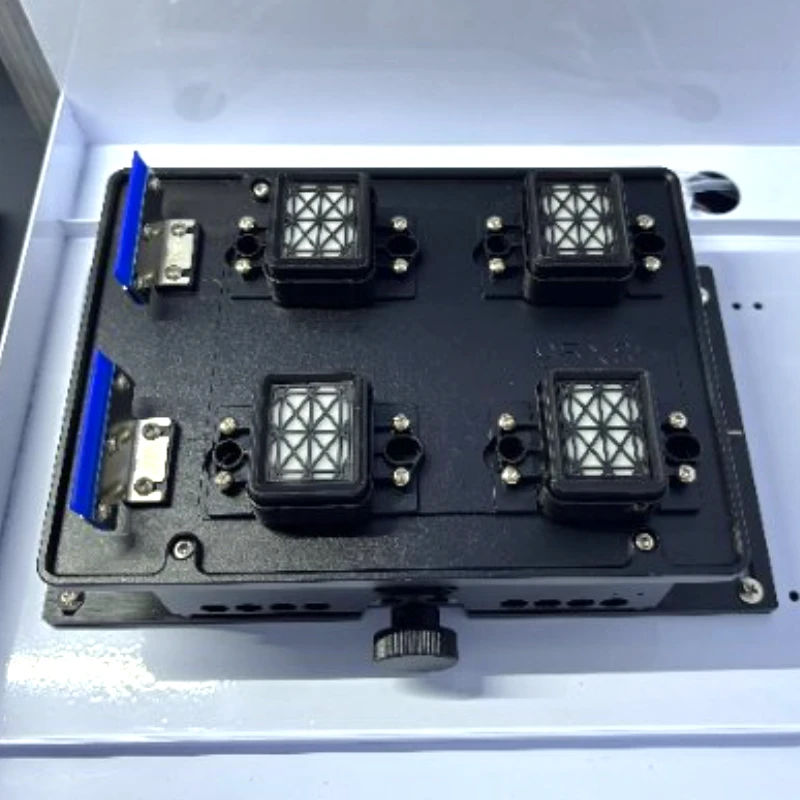
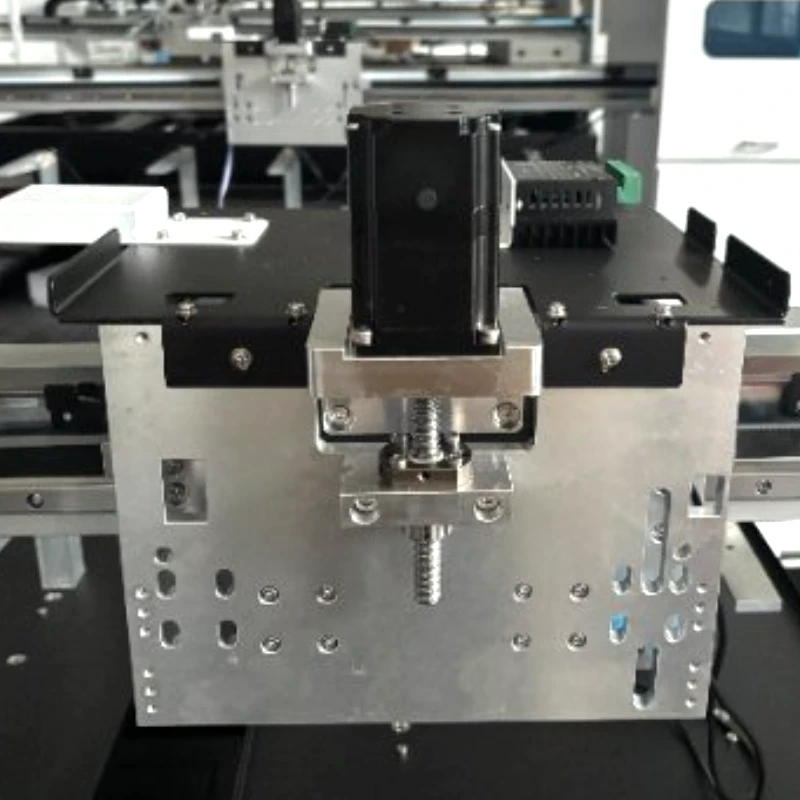
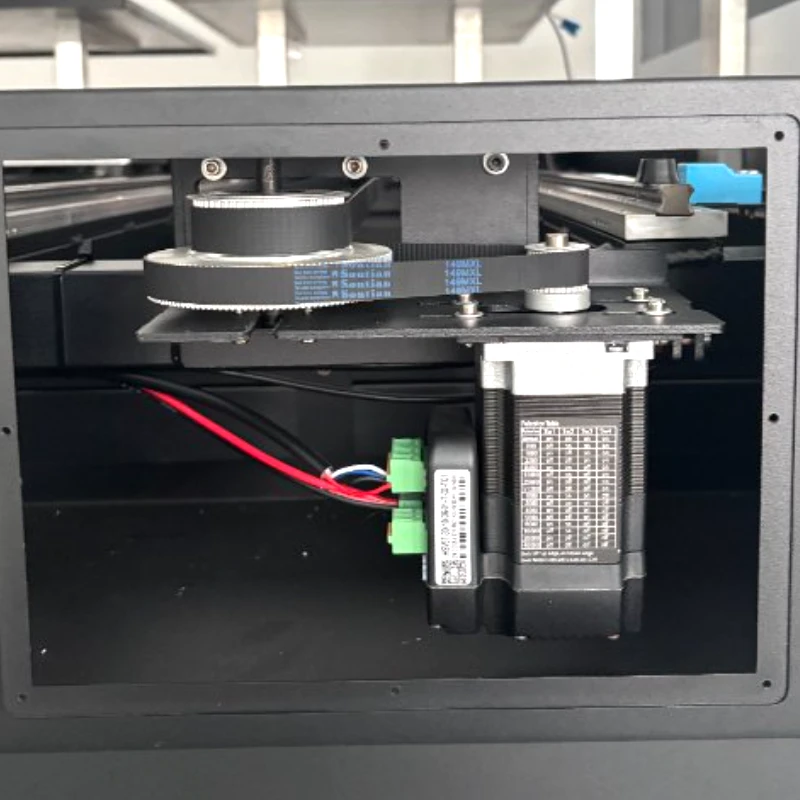
Good maintenance habits keep the printer running stable, fewer issues. Daily: nozzle check, clean wiper, power on the printer, let it automatically do white ink shaking and circulating for 10-15 min. Weekly: clean capping station, check waste ink bottle, and ink tank level, refill to standard, clean encoder strip (20 min). Monthly: Lubricate the guide rail and ball screw for X/Y/Z axis, check the belt teeth, clean the printing table, back up the parameters (30mins).
Meg-Jet D is an industrial level, big production capacity DTG Printer. If you are a small shop (Considering machine size is 216*153*146cm ), or order less than 30pcs shirts each day, or you are not printing on cotton and cotton blends textiles. The Meg-Jet D may not be the right choice for you. You can consider our smaller DTG printer or a DTF printer.
Compared to screen printing: less water usage (no screen washing), less chemical waste (no emulsion/solvents), and OEKO-TEX certified inks. However, the pretreatment solution contains chemicals that need proper handling. Water-based DTG inks are among the most eco-friendly garment decoration options.


